

Used Cat 320D2 Excavator: A Refurbishment and Buying Cost Case Study
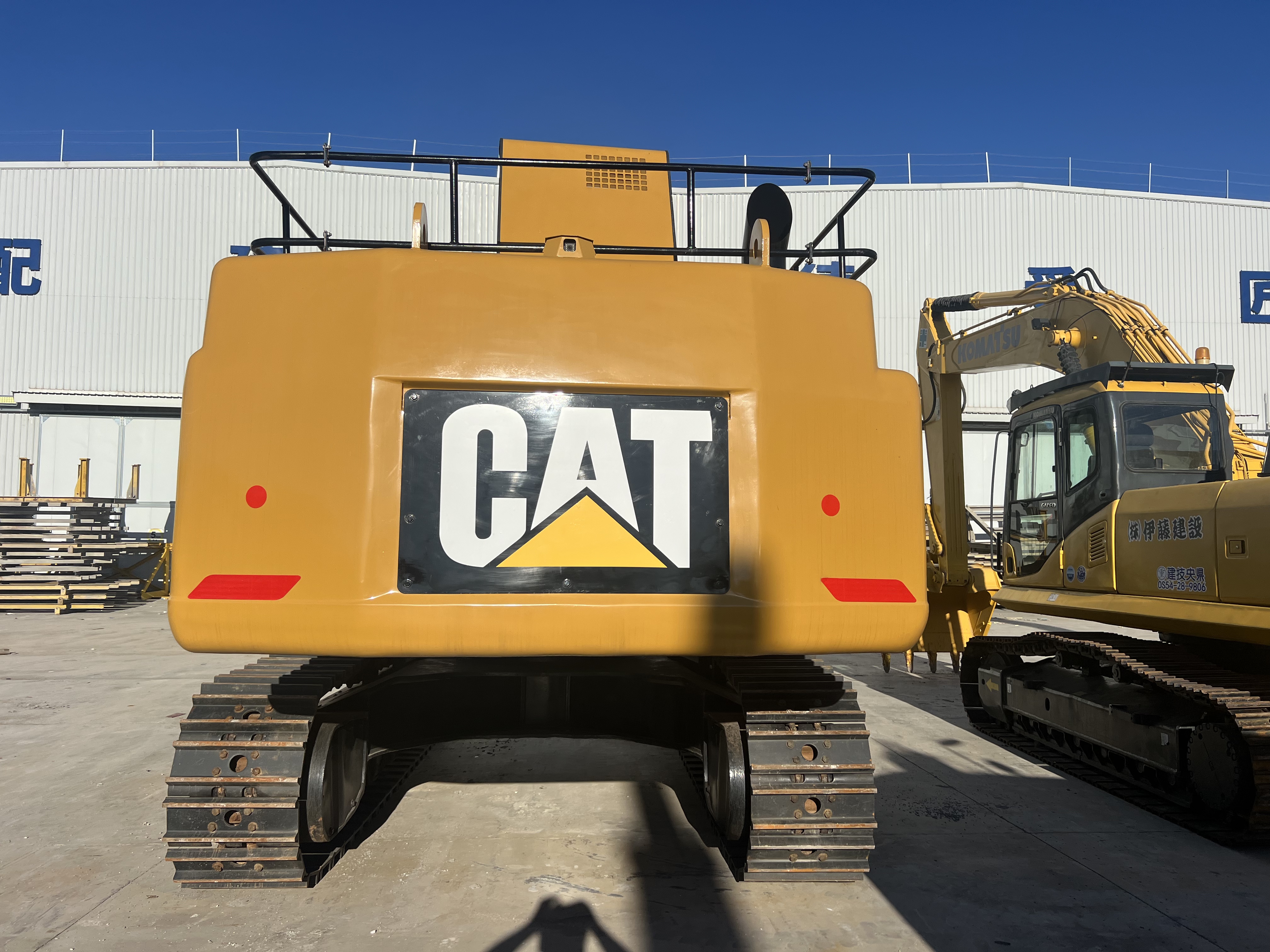
Used Cat 320D2 Excavator: A Refurbishment and Buying Cost Case Study
2026-09-29
Used Cat 320D2 Excavator: A Refurbishment and Buying Cost Case Study
A used Cat 320D2 excavator can be worth considering for earthmoving, drainage construction, and truck loading. However, its value depends on the condition of the individual machine—not simply its brand, appearance, or displayed operating hours.
This case study explains how a contractor could evaluate a second-hand Cat 320D2, define a refurbishment scope, and build a purchasing budget before shipment.
Case status: This is an illustrative procurement scenario, not a completed customer transaction. Machine specifications come from Caterpillar’s published C7.1-engine brochure. The buyer profile, machine history, budget, and schedule are planning assumptions rather than verified sales records or current quotations.
Case Summary: A Used Cat 320D2 for Earthmoving in Kenya
In this scenario, a contractor in Kenya is assessing a used crawler excavator for drainage excavation, foundation work, and loading loose material into trucks.
The contractor’s priority is a machine with documented condition and a manageable initial investment. Cosmetic appearance is secondary to hydraulic operation, structural condition, and undercarriage wear.
| Project item | Illustrative case detail |
|---|---|
| Destination | Kenya |
| Main applications | Drainage excavation, foundation work, and truck loading |
| Selected model | Cat 320D2, standard undercarriage |
| Assumed year of manufacture | 2017 |
| Assumed displayed operating hours | 6,800 hours; not independently verified |
| Engine version | Cat C7.1 |
| Reference configuration | 5.7 m boom, 2.5 m stick, 600 mm track shoes, 1.4 m³ HD bucket |
| Planned use | 8 scheduled hours per day, 22 days per month |
| Initial project budget ceiling | USD 45,000 |
| Modeled subtotal before excluded charges | USD 40,800 |
Scheduled working hours are a planning assumption, not a forecast of productive digging time. Actual utilization depends on site conditions, weather, operator practices, and maintenance.
Cat 320D2 Specifications Relevant to This Purchase
The following specifications refer to the Cat 320D2/D2 L C7.1-engine version described in Caterpillar’s 2017 brochure. Other years, markets, and configurations may differ.
| Specification | Manufacturer-published value |
|---|---|
| Engine model | Cat C7.1 |
| Engine displacement | 7.01 L |
| Engine power, ISO 14396 | 112.5 kW / 151 hp |
| Net power, SAE J1349 | 106 kW / 142 hp |
| Standard-undercarriage operating weight | 21,200–21,700 kg for the listed configurations |
| Maximum total main hydraulic flow | 404 L/min |
| Maximum equipment hydraulic pressure | 35 MPa |
| Maximum swing speed | 10.9 rpm |
| Maximum high travel speed | 5.4 km/h |
| Fuel tank capacity | 410 L |
Caterpillar lists a 1.4 m³ HD bucket in the brochure’s weight configurations. This does not mean every used 320D2 includes that bucket or that it is appropriate for every material.
Important distinction: These are model specifications, not measured results for a particular used excavator. They do not establish the remaining performance or service life of a machine offered for sale.
Step 1: Inspect the Machine Before Setting the Repair Budget
The first decision is whether the excavator is a suitable refurbishment candidate.
For this scenario, the purchasing plan assumes that inspection finds no need for an engine overhaul, main hydraulic pump replacement, major structural repair, or complete undercarriage replacement. If inspection identifies any of these requirements, the buyer must revise the budget or consider another machine.
Engine and Operating History
Review the serial number, nameplate, available service records, and displayed hours. Observe cold starting, warm operation, visible leaks, abnormal noise, and exhaust behavior.
A reading of 6,800 hours should be described as “displayed hours” unless supporting records establish its reliability.
Hydraulic System
Check boom, arm, bucket, swing, and travel functions. Inspect cylinders, hoses, connections, and accessible hydraulic components for leaks or damage.
Where measurements are taken, pressure and cycle-time results should be assessed against the appropriate manufacturer procedures. The brochure’s maximum system pressure is not a universal field-test target.
Undercarriage and Structure
Assess track chains, rollers, idlers, sprockets, shoes, and track adjustment. Inspect the boom, arm, bucket linkage, and accessible structural areas for wear, deformation, cracks, and previous repairs.
Avoid unsupported statements such as “80% undercarriage remaining.” Ask for measurements and the method used to estimate wear.
Step 2: Define a Limited, Documented Refurbishment Scope
In this case, the proposed preparation is a targeted refurbishment—not a complete rebuild.
The USD 3,500 refurbishment allowance is modeled as follows:
| Proposed work | Assumed allowance |
|---|---|
| Engine oil, selected filters, and routine servicing | USD 650 |
| Selected hydraulic hose and seal repairs | USD 900 |
| Selected bucket-linkage pin and bushing work | USD 850 |
| Minor electrical and work-light repairs | USD 250 |
| Cleaning and limited cosmetic touch-up | USD 300 |
| Post-repair inspection and functional testing | USD 550 |
| Total refurbishment allowance | USD 3,500 |
These figures illustrate budget allocation only. Actual costs depend on inspection findings, part numbers, parts sourcing, labor rates, and the repair location.
The seller should document what was replaced, what was repaired, and what was inspected without replacement. Cleaning and repainting must not be presented as evidence of an engine or hydraulic rebuild.
Step 3: Calculate the Purchasing Budget
For this modeled purchase, the subtotal is USD 40,800 before import duties, taxes, insurance, and other excluded charges. It is not a complete landed-cost quotation.
| Cost item | Illustrative amount |
|---|---|
| Used Cat 320D2 purchase price | USD 32,000 |
| Targeted refurbishment | USD 3,500 |
| Origin handling and export preparation | USD 900 |
| Ocean freight allowance | USD 3,200 |
| Destination inland transport allowance | USD 1,200 |
| Modeled subtotal | USD 40,800 |
Against the USD 45,000 planning ceiling, this leaves USD 4,200 unallocated.
That balance must not be described as savings or profit. Import duties, taxes, cargo insurance, destination port charges, customs clearance, storage, and unexpected repairs could consume or exceed it.
Before placing an order, the buyer should obtain route-specific freight quotations and confirm applicable Kenyan import and operating requirements with qualified local providers.
Step 4: Set a Preparation Schedule and Acceptance Criteria
The illustrative preparation plan allows 15 working days:
| Stage | Planned duration |
|---|---|
| Initial inspection and scope confirmation | 2 working days |
| Parts installation and repairs | 7 working days |
| Post-repair checks and buyer review | 2 working days |
| Final preparation and dispatch coordination | 4 working days |
| Total planned preparation time | 15 working days |
This schedule assumes that required parts are available. It excludes ocean transit, customs clearance, and delivery to the final job site.
Before payment milestones or dispatch, the buyer and seller should agree on acceptance criteria covering:
- Confirmation of machine identity and included attachments.
- Completion of the written refurbishment scope.
- Inspection of repaired areas for visible leakage during the agreed test.
- Demonstration of boom, arm, bucket, swing, and travel functions.
- Documentation of applicable measurements and observed limitations.
- Disclosure of outstanding defects.
A dated test video is useful supporting evidence, but it does not replace a detailed inspection or guarantee future reliability.
Case Conclusion: A Conditional Purchase Decision
This scenario supports a conditional decision rather than a claim of proven field performance.
The contractor could proceed if the machine passes the agreed inspection, the repair scope remains within budget, and the full delivered cost is affordable after excluded charges are confirmed.
If inspection identifies major engine, hydraulic, structural, or undercarriage expenditure, the original budget no longer supports the same decision.
The key lesson is simple: buy the documented condition of the excavator, not the “refurbished” label.
Frequently Asked Questions
How much does a refurbished Cat 320D2 cost?
Prices vary by condition, location, configuration, service history, and repair scope. This example uses a USD 32,000 machine price and a USD 3,500 refurbishment allowance. These are planning assumptions, not a current market price range or sales offer.
Is a Cat 320D2 a 20-ton excavator?
It belongs broadly to the 20-ton class. Caterpillar’s referenced brochure lists standard-undercarriage operating weights of 21,200–21,700 kg for specified configurations. The actual machine’s weight depends on its equipment and attachments.
Which engine does the Cat 320D2 use?
The version discussed here uses a Cat C7.1 engine, with 106 kW net power under SAE J1349. Confirm the engine and machine identification on any specific unit because model specifications can vary by market and production version.