
Used vs. Refurbished Machinery: What Buyers Should Know
Used vs. Refurbished Machinery: What Buyers Should Know
Company News
2026-09-29
Used vs. Refurbished Machinery: What Buyers Should Know
Used and refurbished machinery can help businesses add production capacity without purchasing new equipment. However, a machine’s age and purchase price do not tell the whole story. Its condition, refurbishment scope, operating compatibility, and support arrangements are equally important.
The main difference is that used machinery has been previously owned or operated, while refurbished machinery has also undergone corrective work intended to improve its condition. The extent of that work varies by supplier and should be confirmed in writing.
This guide explains the differences, what machinery refurbishment may involve, and how to evaluate equipment before buying.
What Is Used Machinery?
Used machinery is equipment that has been previously owned or operated and is offered for resale. It may be sold directly from a working facility, through a dealer, or after a factory upgrade or closure.
Depending on the machine and seller, second-hand machinery may be:
- Sold as-is, with no repairs included.
- Cleaned and inspected before resale.
- Tested for selected functions.
- Serviced or repaired before delivery.
“Used” describes a machine’s ownership or operating history, not a guaranteed condition standard. Buyers should confirm exactly what inspection, testing, and preparation are included.
What Is Refurbished Machinery?
Refurbished machinery is pre-owned equipment that has undergone inspection and corrective work to address identified wear, damage, or operating issues.
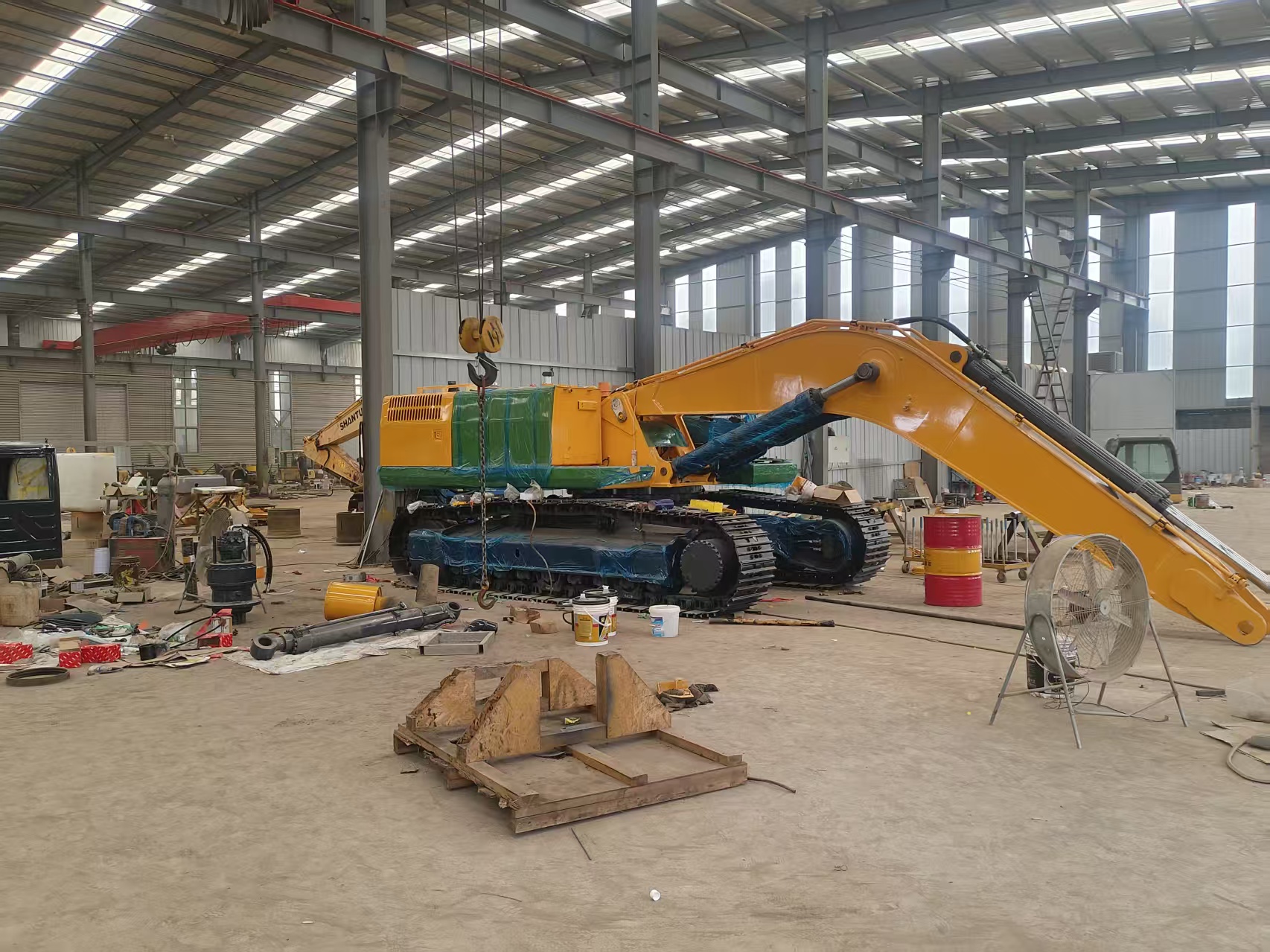
Machinery refurbishment may include replacing worn components, repairing electrical faults, servicing hydraulic systems, adjusting mechanical assemblies, and testing selected functions.
However, refurbishment does not automatically mean that every component has been replaced or that the machine meets its original factory specifications.
A useful refurbishment report should explain:
- What was inspected.
- Which defects were identified.
- What was repaired or replaced.
- Which tests were performed.
- What limitations or unresolved issues remain.
Used vs. Refurbished Machinery: Key Differences
| Buying consideration | Used machinery | Refurbished machinery |
|---|---|---|
| Preparation before sale | May range from no preparation to basic servicing | Should include a defined scope of corrective work |
| Component replacement | May not be included | Selected worn or faulty parts may be replaced |
| Testing | Depends on the seller and agreement | Should be documented, but scope varies |
| Initial price | May be lower for comparable equipment | May be higher because of repairs and preparation |
| Warranty | May be unavailable or limited | May be offered, but is not automatic |
| Buyer’s main concern | Actual condition and repair requirements | Quality, scope, and verification of refurbishment |
The best choice depends on the specific machine, its intended application, and the buyer’s ability to manage maintenance and repairs.
What Does the Machinery Refurbishment Process Include?
A clearly defined refurbishment process helps buyers understand what they are paying for. The exact work depends on the machine type, condition, and agreed specifications.
1. Initial Inspection
The machine is inspected for visible damage, wear, missing parts, leaks, and operating faults. Depending on the equipment, the assessment may cover structural components, drives, bearings, controls, lubrication systems, and safety devices.
2. Cleaning and Access
Dirt, grease, and production residue are removed where necessary. Selected assemblies may be opened or dismantled to allow further inspection.
Cleaning supports inspection, but a clean appearance alone does not demonstrate mechanical reliability.
3. Repair and Component Replacement
Identified defects are addressed within the agreed scope. Work may involve seals, bearings, belts, hoses, wiring, switches, or other components.
Buyers should ask whether replacement parts are new, reconditioned, original-equipment, or compatible aftermarket parts.
4. Adjustment and Testing
Depending on the machine, technicians may perform alignment, adjustment, lubrication, calibration, or operating tests.
A no-load running video does not prove performance under production conditions. When practical, testing should reflect the intended material, workload, speed, accuracy, or output requirements.
5. Final Documentation
Before dispatch, the seller should provide the agreed inspection records, refurbishment details, test results, and available operating documentation.
Cosmetic work, such as repainting, should be distinguished from mechanical and electrical repairs.
Why Consider Refurbished Industrial Machinery?
Potentially Lower Upfront Investment
Refurbished equipment may cost less than a comparable new machine. However, buyers should compare complete installed costs rather than purchase prices alone.
Transport, import charges, installation, commissioning, repairs, and production downtime can affect the overall value.
Potentially Shorter Procurement Time
A machine already in stock may be available sooner than a new build. Actual delivery depends on refurbishment work, testing, export preparation, and transport arrangements.
Confirm a realistic dispatch schedule before planning production around the equipment.
Continued Use of Familiar Equipment
An existing model may suit a factory’s tooling, operator experience, or maintenance practices. Compatibility still needs to be checked, especially when controls or components have been modified.
Extended Equipment Life
Refurbishment can keep serviceable machinery in use and reduce premature disposal. Its overall environmental benefit depends on factors such as operating efficiency, transportation, replacement parts, and remaining service life.
What Should You Check Before Buying?
Before ordering used industrial equipment, request information about the following areas.
Machine Identity and Condition
Confirm the manufacturer, model, serial number, year of manufacture, and operating hours where available. Request recent photos of the nameplate, working areas, controls, and signs of wear.
Operating hours are useful context, but maintenance history and measured condition also matter.
Refurbishment Scope
Ask for an itemized description of completed work. Clarify what was inspected only, what was repaired, and what was replaced.
Avoid relying on broad descriptions such as “fully refurbished” without supporting details.
Production Compatibility
Verify capacity, dimensions, tooling requirements, utilities, and control compatibility. Check voltage, frequency, phase, compressed air, cooling, and other installation requirements relevant to the machine.
Performance Evidence
Request dated test records or arrange a live demonstration. For higher-value or critical equipment, consider an independent inspection and agreed acceptance criteria.
Safety and Compliance
Confirm the requirements that apply at the installation location. Refurbishment alone does not establish compliance with local machine-safety, electrical, emissions, or import rules.
Commercial Terms and Support
Review payment terms, delivery responsibilities, included accessories, warranty exclusions, spare-parts availability, and technical support.
For international purchases, confirm the named delivery location and applicable Incoterms® rule in the contract.
How to Compare the Total Cost
The lowest advertised price is not always the lowest-cost option.
Compare:
- Purchase price.
- Inspection and testing fees.
- Packing, loading, and transportation.
- Applicable duties and taxes.
- Site preparation and installation.
- Commissioning and operator training.
- Expected maintenance and spare parts.
- Potential downtime and production limitations.
A higher-priced machine with verified condition and suitable support may offer better value than cheaper equipment requiring extensive work.
Frequently Asked Questions
Is refurbished machinery the same as used machinery?
Refurbished machinery is a type of used machinery that has undergone corrective work. Used equipment may be sold without refurbishment. Always check the actual work performed rather than relying on the label.
Is refurbished machinery as reliable as new equipment?
Not necessarily. Reliability depends on the original design, previous use, remaining component life, refurbishment quality, and maintenance. Testing helps evaluate current condition but cannot guarantee future performance.
Does refurbished machinery come with a warranty?
Sometimes. Warranty availability, duration, coverage, and exclusions depend on the seller and contract. Ask who pays for replacement parts, labor, travel, and shipping if a covered fault occurs.
Can second-hand machinery be exported?
Often, yes, but eligibility depends on the equipment, origin, destination, and applicable rules. Buyers should confirm import restrictions, documentation, and installation requirements before purchasing.
What documents should buyers request?
Request the quotation, machine identification, condition report, refurbishment scope, available manuals, test records, packing details, and written commercial terms. Additional documentation may be required for customs or local compliance.
Choose Based on Evidence, Not Appearance
Used and refurbished machinery can both be practical purchasing options. The right decision comes from matching verified equipment condition to production needs, technical requirements, and the total cost of ownership.
Before making a purchase, ask for clear documentation, relevant testing, and a written explanation of what is included.